
Wholesale, Lab-Grown
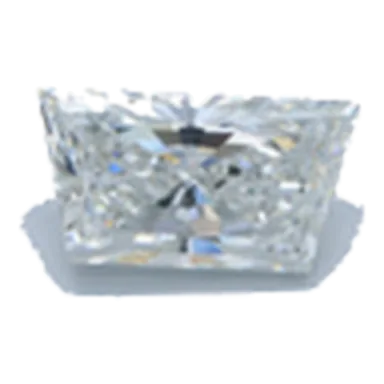
Wholesale Trapezoid Diamonds
Natural and lab-grown are two separate lines here, never mixed on one certificate or one price list.
Trapezoids are bought by the millimeter, not by the carat. Four sides, two of them parallel, one longer than the other. The long edge sits against the center stone and the shape tapers away from it, which is why this is the default side stone in three stone work.
Setters and custom houses drive the demand. A trapezoid has to fit a specific center stone, so the buyer usually arrives with measurements rather than a weight in mind. That makes it a stocking problem for most dealers and a service opportunity for anyone who actually keeps a range on the shelf.
We carry over 300 trapezoids, all lab-grown, in both step-cut and brilliant faceting. Depth across sizes is what makes the shelf useful here, since a side stone that is one tenth of a millimeter off is not a side stone. Matched pairs are available and are the usual way this shape sells.
Buying Trapezoid Diamonds Wholesale
Match the faceting to the center stone. Step-cut trapezoids belong next to emerald cuts, asschers, and other step cuts. Brilliant-faceted trapezoids belong next to rounds, cushions, and radiants. A step-cut side against a brilliant center looks dead, and the mismatch is the most common complaint we hear on returned side stones.
Buy on measurements. The long edge needs to match the width of the center stone at the point where it will sit, and the depth needs to let the side stone's table finish level with the center. Give us the center stone's measurements and the mounting style and we will pull to that, which is faster than filtering by carat weight and hoping.
Check the two acute corners. Those are the thin points on a trapezoid and the places that chip during setting. A thin girdle at the corners plus a tight channel is a bad combination. Ask for the girdle description and plan on a setter who has done this before.
Buy pairs as pairs. Every matched pair on our floor is lab-grown, and the pair is already matched on outline, depth, and color. Building a pair from two singles means matching four dimensions instead of two, and the labor usually costs more than the saving.
Frequently Asked Questions
What are trapezoid diamonds used for?
They are side stones, almost always sold in pairs to flank a center stone in a three stone ring. The long parallel edge sits against the center and the shape tapers outward toward the shank. Trapezoids are also used in channel and cluster work where a tapering shape fills the space better than a rectangle.
Should I buy step cut or brilliant trapezoids?
Match the center stone. Step-cut trapezoids go with emerald cuts, asschers, and other step cuts, brilliant-faceted trapezoids go with rounds, ovals, cushions, and radiants. Mixing the two makes the sides look flat next to the center, which is the single most common mistake in three stone work.
How do I order trapezoids to fit a specific center stone?
Send the center stone's measurements and the mounting style, and we will pull side stones to match. The long edge has to align with the center's width and the depth has to let the tables sit level. Working from measurements is far more reliable than filtering by carat weight.
Are trapezoid diamonds available in natural?
Not in our stock. All over 300 trapezoids we carry are lab-grown, which is true of nearly every geometric side stone shape in the current market. Natural side stones in these outlines exist but not in the sizes and quantities that make matched pair work practical.
How does trade pricing work on side stones?
Prices show on every listing once you sign in with a free trade account. Side stones are usually quoted as pairs. If you need a run for a production job rather than a single piece, call and we will price the group rather than making you buy pair by pair.
Related Shapes
Related reading: How matched pairs are actually matched.