
How matched pairs are actually matched
Weight to the point is the easy part. What actually makes two stones read as a pair, and why the second stone costs more than the first.
Key takeaways
- A matched pair is two stones that read as identical when worn together. It is a visual test, not a paperwork test.
- Dealers match on five things in this order of difficulty: weight, outline and ratio, color, clarity, and cut character.
- Weight is matched to the point but matters least. Match the millimetre measurements first and let the weights land where they land.
- Cut character has no field on any report. You match it by looking, which is the whole skill.
- A matched pair typically runs ten to twenty percent over the sum of two comparable singles, more where the pool is thin.

Anybody can put two stones of the same weight in an envelope and call it a pair. Whether it is a pair gets decided at the bench, six weeks later, when they are set an inch apart in a pair of studs and one of them looks warm.
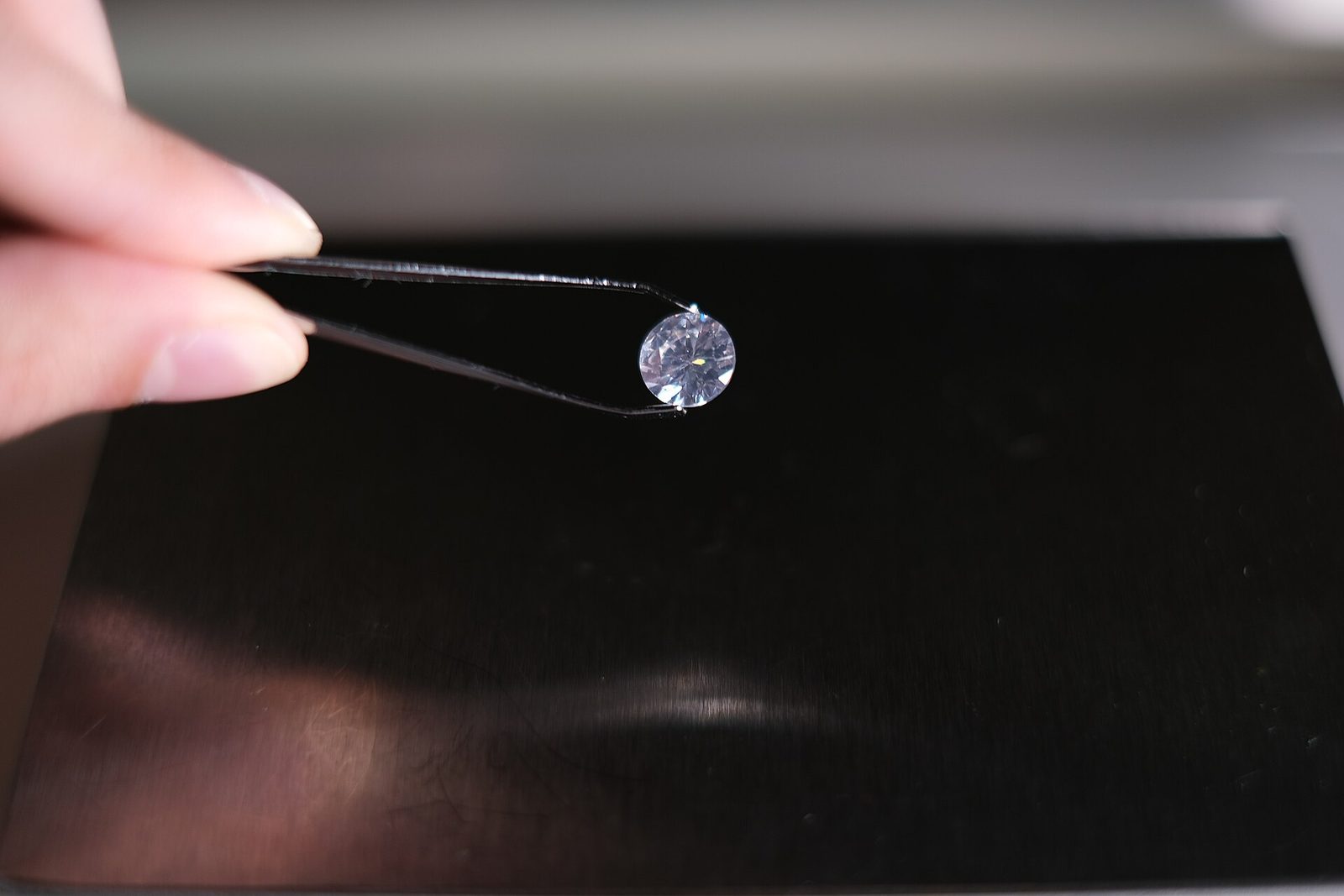
What makes two diamonds a matched pair?
A matched pair is two stones that read as identical when they are worn together. That is the working definition, and it is a visual test, not a paperwork test. Two stones can agree on every line of their reports and still fail it, and two stones that differ on paper can pass.
Dealers match on five things, roughly in this order of difficulty: weight, outline and ratio, color, clarity, and cut character. The first four are on the report. The fifth one is why matching is a skill.
How close does the weight have to be?
Weight is matched to the point, meaning within a hundredth or two of a carat. A 1.01 and a 1.03 is a normal, sellable pair. A 1.01 and a 1.10 is two stones.
But weight is the least important of the five, and jewelers over-index on it because it is the easiest number to read. What the customer sees is millimeters. Two stones at the same weight can differ by a quarter millimeter in spread if one is cut deeper than the other, and a quarter millimeter is visible in a pair of studs at conversational distance. Match the measurements first and let the weights land where they land.
How do dealers match ratio and outline?
For any fancy shape, the outlines have to agree within about two hundredths of ratio, and the millimeter measurements have to agree within roughly a tenth of a millimeter on both axes. That is tighter than it sounds, and it is where most attempted pairs fall apart. For the ratio bands the trade orders in on a single stone, see length to width ratios, the working guide.
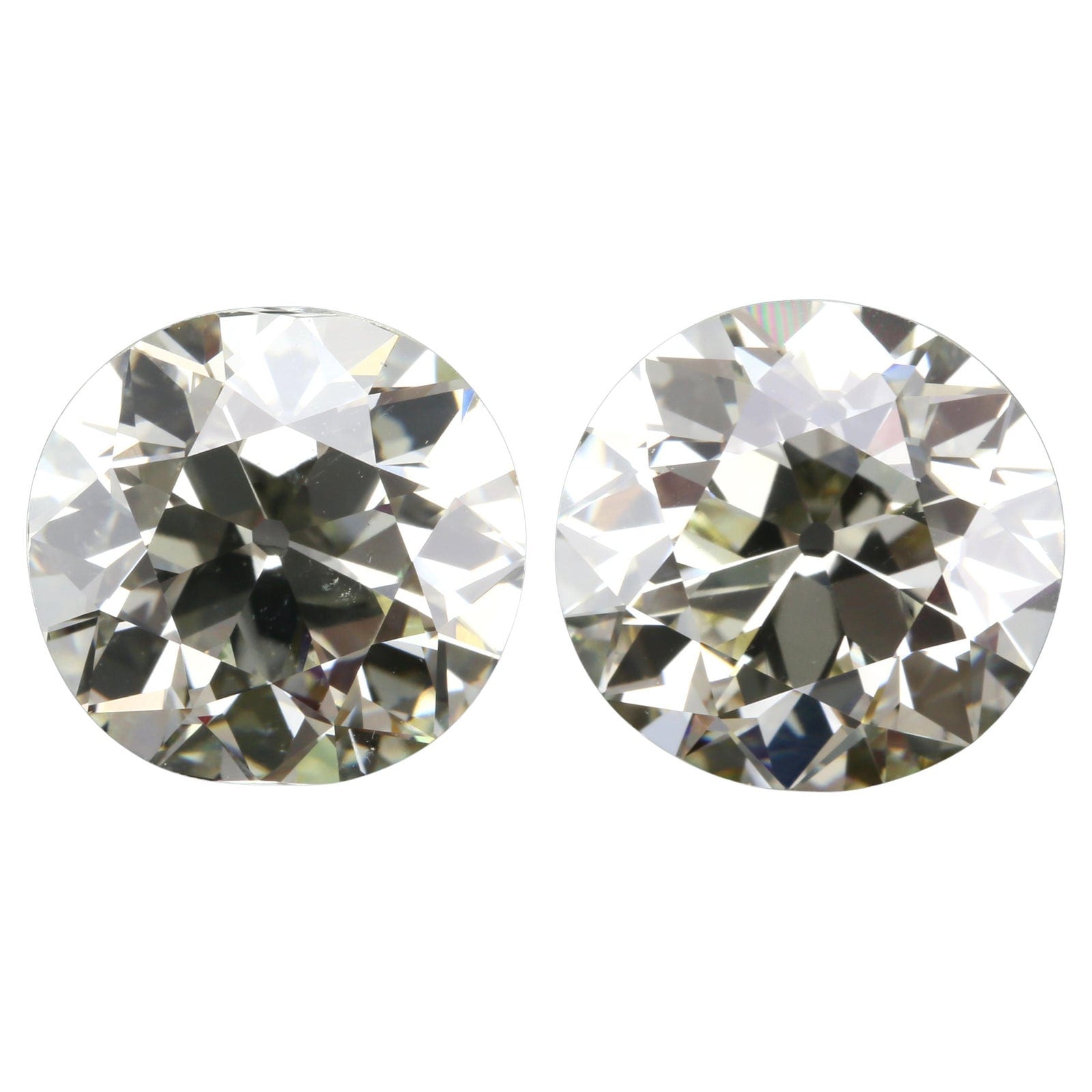
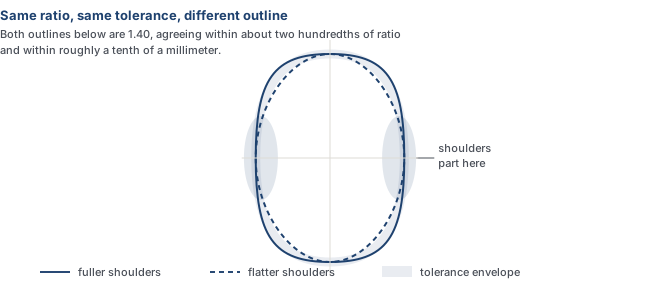
Ratio alone is not enough. Two ovals at 1.40 with different shoulder fullness will look like a mismatched pair no matter what the report says, because the eye compares silhouettes side by side and is very good at it. This is why a dealer matching pairs wants both stones in front of him at once, or at minimum both videos playing in the same window.
For side stones the standard is different again. A pair of half moons or trapezoids flanking a center is matched to millimeters, not to carat weight, because they have to meet the center stone's width cleanly and mirror each other across it. Order those by giving the width you need and the height you have room for. Giving a carat weight for side stones is how you end up recutting a setting.
How are color and clarity matched?
Color has to be the same grade, and within that grade the two stones should sit on the same side of it. Color grades are ranges, not points. Two stones both graded H can be a high H and a low H, and set side by side one will look warm against the other. A dealer with a real pairing operation grades within the grade, using a master set, and keeps the near misses out.
Clarity is more forgiving on paper and less forgiving in practice. One grade apart is fine and common, VS1 against VS2 for instance, as long as neither stone shows anything to the naked eye and neither has an inclusion sitting somewhere visually loud. Placement beats grade. An SI1 with everything tucked under the crown outperforms a VS2 with a black crystal dead center under the table, and in a pair that black crystal is doubly obvious because the other stone has nothing.
Placement beats grade.
Fluorescence gets matched too, and it is the one people forget. One stone with strong blue fluorescence next to one with none will read differently in daylight and in a nightclub, and the customer will notice on exactly the day you cannot fix it.
What is cut character, and why does it break pairs?
Cut character is how the stone throws light: the size of the flashes, the pattern, whether it reads crushed ice or chunky and faceted. Two stones can match on every graded attribute and still sparkle differently, and the eye catches that faster than it catches a color difference.
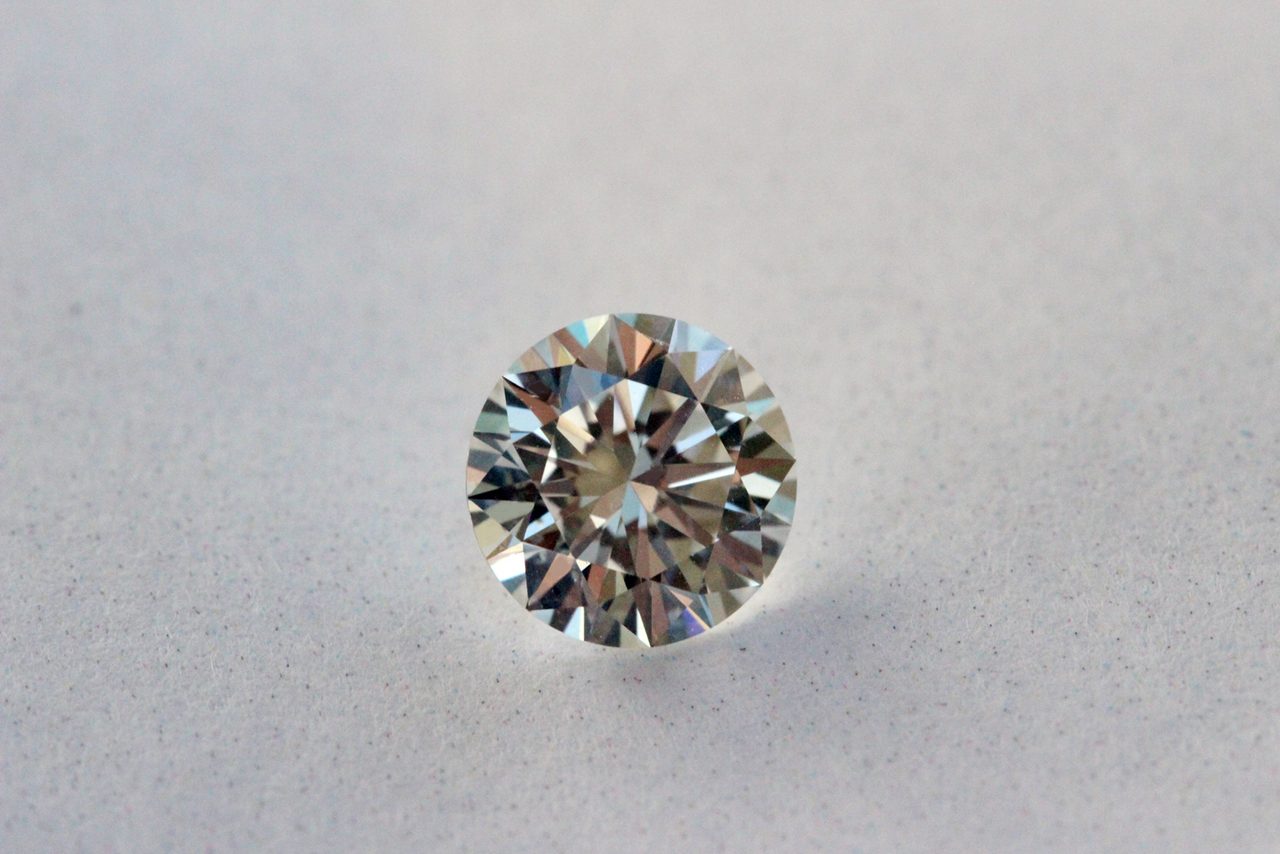
It shows up worst on cushions and radiants, where crushed ice and faceted versions of the same shape both exist in volume. It shows up on old cuts too, where facet layouts vary stone to stone by nature. On rounds it is subtler but still real, and it is usually a difference in table size or crown angle doing the work.
There is no field on any report for it. You match it by looking, which is the honest answer and the reason a matched pair from a dealer who actually pairs stones is worth more than two stones bought separately that happen to agree on paper.
What tolerances do jewelers accept?
Studs and drops are the tight job, because the two stones are seen together, at the same distance, on a symmetrical face. Expect weight within about two points, measurements within a tenth of a millimeter, the same color grade, clarity within one grade with clean placement, and matched fluorescence and cut character.
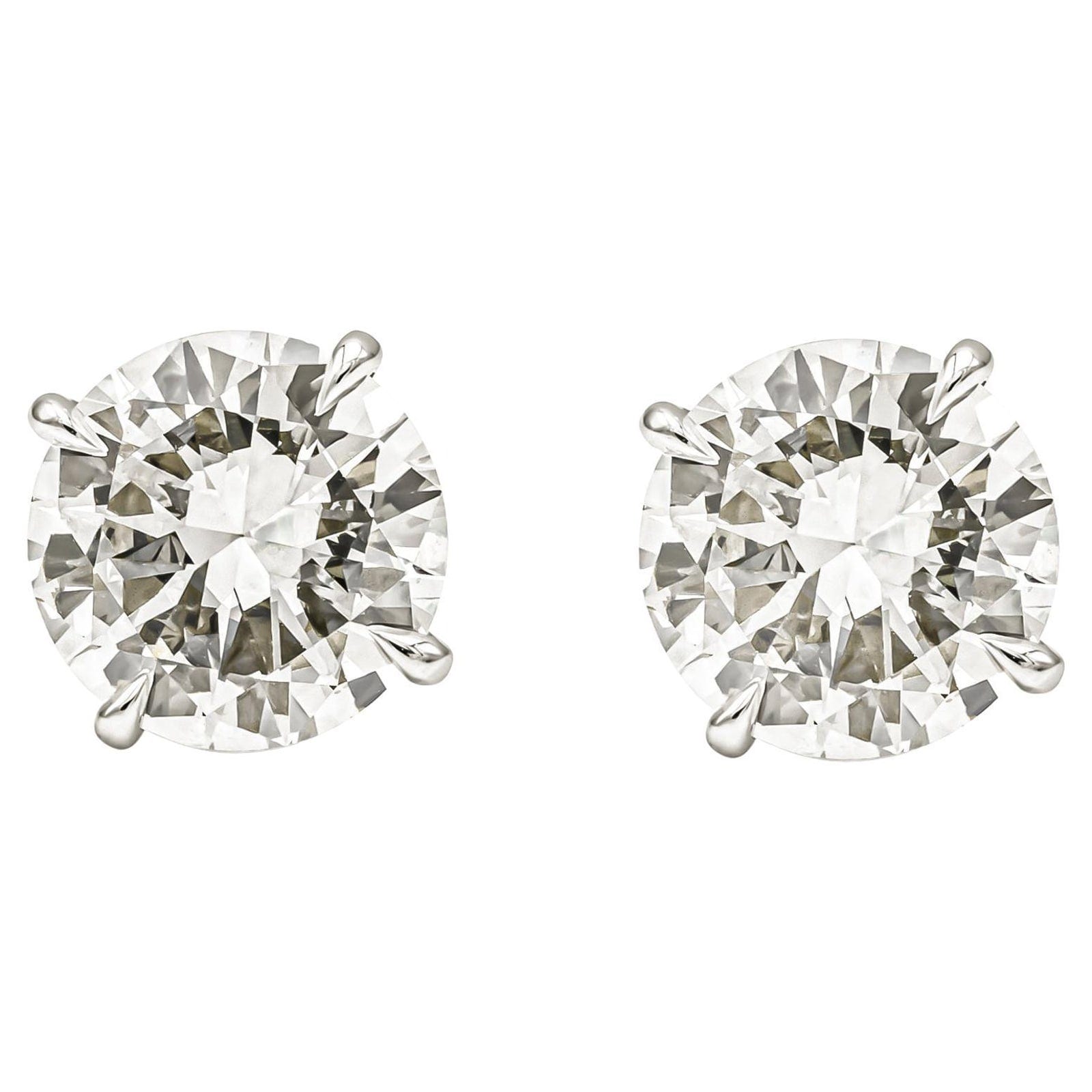
Three stone rings are looser between the sides and the center and tighter between the two sides. The two side stones have to be near identical to each other, since they are millimeters apart and mirrored. Against the center they only have to be sympathetic: a half grade of color separation between sides and center is normal and often deliberate, because a slightly whiter pair of sides flatters the center rather than fighting it.
| Setting | Standard |
|---|---|
| Studs and drops | Weight within about two points, measurements within a tenth of a millimeter, the same color grade, clarity within one grade with clean placement, and matched fluorescence and cut character. |
| Three stone rings | The two side stones near identical to each other. Against the center, sympathetic is enough. A half grade of color separation between sides and center is normal. |
Why do pairs carry a premium per stone?
Because finding the second stone is much harder than finding the first, and a broken pair is worth less than the two stones that made it. Those two facts are the whole premium.
A dealer holding a pair has taken two stones out of general circulation and is carrying them until a pair buyer shows up, which takes longer than selling either one alone. If he breaks the pair to make a single sale, the survivor loses its pair value and goes back to being an ordinary stone. So pairs get held, and held inventory costs money. On top of that the sourcing itself is real work: pulling a match usually means going through many stones to find one that agrees on all five criteria, and that time is in the price.
What a pair actually costs
Ten to twenty percent over the sum of two comparable singles is a fair way to think about it, more on shapes where the pool is thin. A jeweler who balks at that is usually comparing against two random stones of the same grades, which is not the thing he is buying.
The matched pairs we hold on the shelf today are lab-grown, and there are hundreds of them across the main shapes. Natural pairs we build to order, which means a search rather than a click. Either way, send the specs and the deadline together: the inventory will show you what is sitting here now, and anything that needs matching starts with a phone call.
Frequently asked questions
How close in weight do matched diamonds have to be?
Within a hundredth or two of a carat. A 1.01 and a 1.03 is a normal, sellable pair. But weight is the least important of the five criteria: what the customer sees is millimetres, and two stones at the same weight can differ by a quarter millimetre of spread if one is cut deeper.
Can two diamonds one clarity grade apart be a pair?
Usually yes. VS1 against VS2 is common and fine, as long as neither stone shows anything to the naked eye and neither has an inclusion sitting somewhere visually loud. Placement beats grade: an SI1 with everything tucked under the crown outperforms a VS2 with a black crystal under the table.
Why do matched pairs cost more than two single diamonds?
Finding the second stone is much harder than finding the first, and a broken pair is worth less than the two stones that made it. A dealer holding a pair has taken two stones out of circulation and carries them until a pair buyer appears. Ten to twenty percent over two comparable singles is a fair way to think about it.
How do I order side stones for a three stone ring?
By millimetres, not by carat weight. Half moons and trapezoids have to meet the centre stone’s width cleanly and mirror each other across it, so give the width you need and the height you have room for. Quoting a carat weight for side stones is how you end up recutting a setting.
Does fluorescence have to match in a pair?
Yes, and it is the one people forget. One stone with strong blue fluorescence beside one with none reads differently in daylight and under nightclub lighting, and the customer notices on exactly the day you cannot fix it.
Sources
- Photo: "Diamante con pinzas sobre fondo oscuro" by Davidmimay, CC BY 4.0, via Wikimedia Commons, resized
- Photo: "Round Brilliant Cut Diamond" by Petragems, CC BY-SA 4.0, via Wikimedia Commons, resized
- Photo: Matching pair of old European cut diamonds, 8.24 carats total, 1stDibs
- Photo: GIA certified 6.08 carat total round brilliant diamond stud earrings, 1stDibs
Related reading


Meluhaa Diamonds is a wholesale loose diamond dealer in Los Angeles. Natural and lab-grown are kept as separate lines. Prices show on every stone once you are signed in, and an account is free.
Need something that is not on the list? Call the office at (800) 501-4873 or send a quote request with the shape, the size band and the deadline.